 StampiGram
The short answer
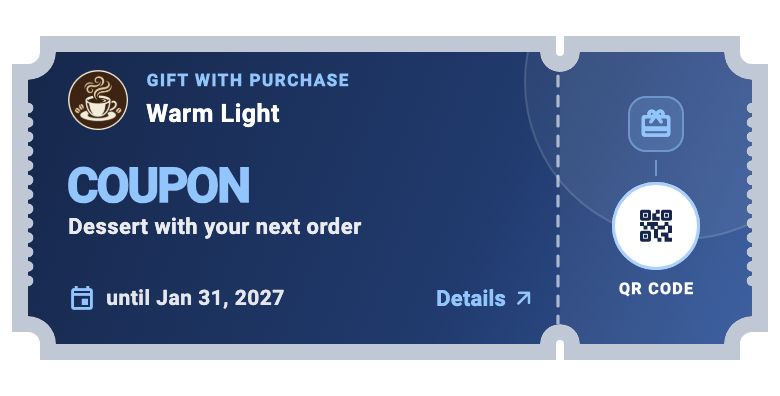
Choose an underused time slot and a specific offer for it: a bundle, a gift with purchase or a second-item discount. Set dates, eligible products and redemption limits. Compare incremental visits and contribution while checking whether customers simply moved an existing purchase to a discounted time.
1. Find the quiet hours in your orders
Break visits down by weekday and time. Do not average a busy lunch service together with a quiet evening. Choose a period when staff and equipment are already available but additional orders are low. Check that the problem is demand rather than kitchen availability or inconvenient opening hours.
2. Choose one offer
A gift with purchase can support an anchor product. A bundle makes the final price clear. A second-item discount may fit an order for two. StampiGram’s offer model includes these types and happy hours. Specific campaign rules and availability are agreed during onboarding.
3. Define limits before promotion
Specify days, hours, products, minimum spend and combination rules. For example, a gift with a drink on weekdays between 15:00 and 18:00. That window is a planning example, not a live public StampiGram promotion. Review stock capacity and staffing before expanding the campaign.
4. Distinguish coupons from discount cards
A single-use coupon is redeemed once. A reusable discount card follows its rules until expiry. The genuine component shown here uses a −20% demo discount card. The percentage is sample offer data, not a StampiGram subscription discount or a revenue forecast.
5. Look for genuinely additional orders
Compare equivalent weekdays and hours. Check whether regular full-price customers shifted into the offer. Subtract discounts, reward costs and communication costs from additional contribution. A campaign with many redemptions can still be unprofitable.
Action plan
- Identify underused hours.
- Choose one product or bundle.
- Set rules and a spending limit.
- Show expiry and redemption conditions.
- Check displacement and additional contribution.
What to measure
Incremental quiet-hour orders = test-period orders − expected orders for a comparable period. A coupon redemption alone does not establish an additional visit.
Open the calculatorWhere StampiGram fits
StampiGram brings coupons, gifts and discount cards into the guest’s app with their conditions. Availability of automated messages, integrations and schedules is confirmed for each pilot.
FAQ
Which promotion beats a permanent discount?
There is no universal winner. Compare gifts, bundles and discounts by variable cost, additional orders and impact on normal sales.
How can I win back an inactive guest?
Investigate why they stopped visiting and offer a relevant reason to return. Use a consented communication channel; owning a coupon does not mean consenting to marketing.