 StampiGram
The short answer
Start with accurate local listings, a clear reason to make the first visit, and a reason to return. Acquisition gets someone through the door; a loyalty program supports the next visit. Measure the cost of a new guest and their repeat visit, rather than reach alone.
1. Find the actual bottleneck
If people do not discover your restaurant, review local listings, signage and photographs. If they discover it but do not visit, review the menu, pricing, opening hours and offer. If they visit once, investigate service quality and the reason to return. Each problem needs a different response; a blanket discount cannot diagnose it.
2. Make local discovery useful
Keep the address, entrance, hours, menu and contact details accurate. Use current photographs and explain the cuisine and format. Invite genuine customer feedback without requiring a positive rating. Google describes relevance, distance and prominence as local ranking factors; payment cannot guarantee a better local position.
3. Test one first-visit offer
For example, offer a small dessert with a main course on a weekday. Define dates, hours and eligibility, then calculate the cost before promotion. Share the offer through your business profile, nearby partners and neighbourhood content. This is a campaign example, not an automatic source of traffic.
4. Connect the first visit to the next
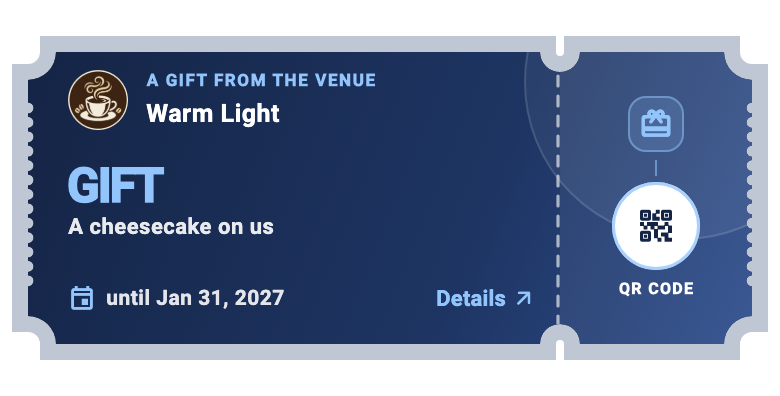
After purchase, explain the next reward clearly. StampiGram offers visible stamp-card progress, coupons and gift offers in the customer app. A live campaign also requires venue onboarding, configured rules and staff training. A reward should be understandable in one sentence at the counter.
5. Run a small, measurable pilot
Choose an observation period in advance, such as four weeks, and a comparable baseline. Separate channels using campaign links or codes. Track first visits, return visits, marketing spend and reward costs. If visits rise but contribution falls, adjust the offer before expanding it.
Action plan
- Check local listings and menus.
- Choose one channel and one offer.
- Set a reward budget and spending limit.
- Teach staff the first-visit and return-visit workflow.
- Compare visits and contribution with the baseline.
What to measure
Customer acquisition cost = channel spending / new customers attributed to that channel. Account for reward costs and subsequent visits separately.
Open the calculatorWhere StampiGram fits
StampiGram makes offers and accumulated progress visible to the guest. It does not buy advertising, replace local listings or guarantee visits by itself.
Source: Google Business Profile: local ranking factors ↗
FAQ
Can a restaurant attract customers without paid ads?
Start with local discovery, recommendations, nearby partnerships and existing guests. This still requires staff time, and results depend on the offer, location and service.
Why not promise a fixed increase in footfall?
Seasonality, weather, location, pricing and service all affect visits. A specific program needs a measured venue-level pilot.